
logo

What affects the anonymity of a proxy connection?

What affects the anonymity of a proxy connection?

23.03.2026
What affects the anonymity of a proxy connection?

When you go online, information about you is visible and available in the open. A proxy acts as an intermediary and can create a layer of security, but the level of anonymity depends on several factors. Which aspects influence anonymity, what types of proxies exist, and how does data transmission through a proxy work?

Anonymity in the context of an internet connection

Anonymity on the internet is the ability to use the network in such a way that others cannot determine who you are and what actions you perform online. It does not guarantee complete invisibility but rather minimizes exposed data. In the context of an internet connection, anonymity includes things like hiding your IP address, reducing traces of your presence online, and limiting what information the network can collect about you during a connection.

How data transmission through a proxy works

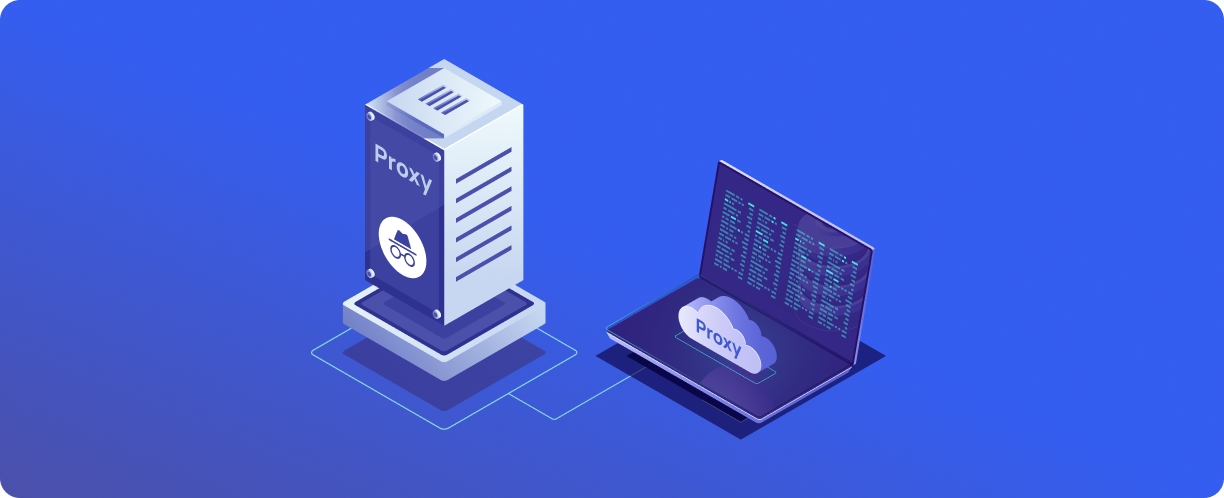
A proxy is a server that acts as a layer between your device and websites on the internet. When you want to open a page, your browser sends a request not directly to the site, but to the proxy server. The proxy receives this request, forwards it to the target website on its own behalf, and receives the response. Then the proxy returns the received content to you. The website sees the proxy as the sender of the request, while your real IP address may remain hidden.

Key factors affecting the level of anonymity

Type of proxy

  • Public proxies provide access to a large pool of addresses, but they are often blocked and may appear unnatural to many websites.
  • Private proxies offer greater control and predictability.
  • Residential proxies appear more natural but can be more expensive. Datacenter proxies are usually faster and more stable but are more frequently detected and blocked.

IP address quality

  • A good IP address should have a clean history, not be listed on blacklists, and not be frequently blocked.
  • Geography should match the specific task, as some regions appear more natural on certain websites.
  • Frequent IP changes can also raise suspicion.

Speed and stability

Latency, bandwidth fluctuations, and connection interruptions may look like automation. If responses arrive slowly or irregularly, websites may begin to treat your requests as suspicious. Reliable and predictable connection quality helps keep traffic within normal activity patterns.

Additional layers of protection

Encryption protects the content during transmission, but a proxy can be an entry and exit point where encryption does not end until reaching the target service. Therefore, it is useful to combine proxies with VPNs, traffic encryption services, and properly configured browsers that minimize data collection. Ideally, you should have stable encryption and compatibility with privacy tools so that traces are minimized and the risk of being flagged as suspicious traffic is reduced.

Behavioral factors

Behavioral factors are often underestimated, and that is a mistake. Request frequency matters, because overly frequent or perfectly uniform intervals look automated. Action patterns—repetitive scenarios and identical headers—create links between sessions and traffic sources. Too frequent or illogical changes can raise suspicion. Try to simulate natural behavior and maintain reasonable intervals to reduce the chance of being blocked.

Common mistakes that reduce anonymity

First mistake — using proxies with low reputation

Such addresses are often blacklisted, and their history may be associated with aggressive traffic or suspicious activity. Services find it difficult to determine the true origin of such traffic and are more likely to block it. To avoid this, evaluate proxy reputation first: choose trusted providers, avoid free or questionable IP pools, consider geography and IP lifespan, and use safe, non-critical platforms for testing.

Second mistake — lack of control over IP or system data leaks

Even if traffic goes through a proxy, real traces can leak: WebRTC may reveal your real IP, DNS requests can expose network structure, and headers, cookies, and browser fingerprints can reveal your identity. To reduce risk, ensure a full tunnel through the proxy, disable WebRTC in the browser, enable DNS protection, actively prevent leaks, and regularly check what IP websites see. It is also important to configure all applications to route traffic through the same proxy rather than bypassing it.

Third mistake — incorrect combination of tools

Few people approach this consciously, and the result is often the opposite of what was intended. For example, combining a VPN with a proxy may create routing conflicts or inconsistent timeout and encryption settings, leading to unpredictable leaks. Choose one logical strategy and maintain it properly: use a unified traffic route through the chosen protection layer, ensure consistent header and TLS configuration, and test for leaks after making changes.

Practical recommendations

Start by choosing a proxy service with a transparent policy and good reputation

Pay attention to available IP options, geographic selection, and rotation modes. Also review the terms of use and privacy policy to reduce hidden risks.

Focus on leak protection

Enable DNS leak and WebRTC leak protection in your device and browser settings. Check your external IP with quick tests after setup and repeat them periodically to ensure traffic is actually routed through the proxy. Make sure all applications and browsers use the same proxy path to avoid bypass channels.

Define a clear usage strategy

Do not overload your setup with unnecessary layers. Choose one primary protection scheme and stick to it, adding only what genuinely improves privacy without complicating routing or increasing leak risks. Manage headers and transmission parameters so they do not reveal unnecessary information and align with your goals.

Belurk is one of the reliable proxy services that can serve as a practical tool for effective privacy protection. Within such a service, you can take advantage of flexible IP rotation, geographic selection, speed control, as well as API support for managing settings and monitoring.

Conclusion

Privacy through proxies is built on three pillars: the quality and reputation of the proxies and IPs themselves, protection against leaks, and a careful choice of tool combinations. Even the best proxy does not guarantee privacy if you switch between different routes or leave behavioral traces that allow services to identify you. Real anonymity is achieved through balance—by choosing reliable addresses, minimizing leaks, and taking a deliberate approach to configuration. The Belurk service can become a useful part of this strategy by offering manageable IP options, leak protection, and clear settings for maintaining consistent traffic routing.


Try belurk proxy right now

Buy proxies at competitive prices

Buy a proxy